As Chelsea’s talks with BlueCo evolve, there is a £308m elephant in the room
 Add as preferred source on Google
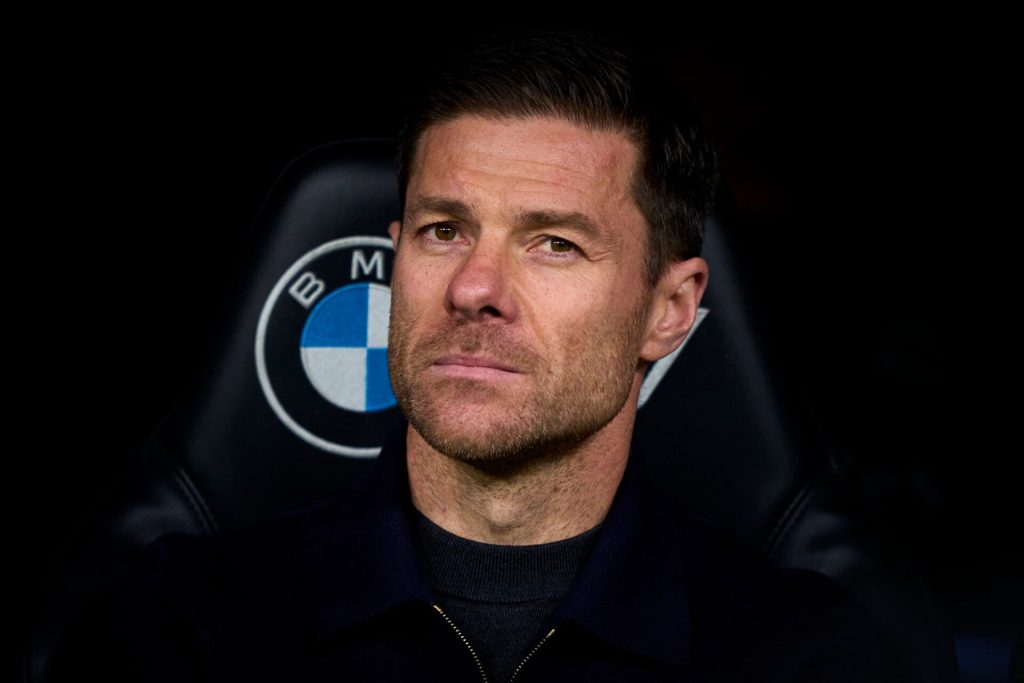
 Like Enzo Maresca before him, Xabi Alonso would struggle to adhere to BlueCo’s private equity-inspired player trading and team selection model, says football finance academic Kieran Maguire.
Speaking exclusively to The Chelsea Chroniclethe University of Liverpool lecturer and Price of Football podcast host explained how players are treated as “tradable inventory” under the philosophy of Todd Boehly, Behdad Eghbali and the other members of the consortium that bought Chelsea in 2022.
Since the takeover, Chelsea have had an unprecedented level of squad churn. And while they have set new records for player sales, those figures are dwarfed by the club’s spending on new signings. In 2024-25, the last full financial year, their £212m transfer amortisation figure was the highest in the Premier League. Wages meanwhile, at £359m, were the third highest and the highest of any club outside the Champions League that season.
Player trading is fundamental to the BlueCo model, then, but there are serious questions to be answered about the success of their approach and its compatibility with football.
Should Chelsea be allowed to spend WHATEVER they want on transfers?
UEFA and the Premier League’s rules don’t think so…

When Maresca left Stamford Bridge, several outlets reported that he was frustrated at being asked to rotate his squad and give minutes to players with the specific purpose of maintaining and appreciating their value in the transfer market.
Whether BlueCo hire Alonso, who appears to have one eye on the Liverpool job, or another candidate – Andoni Iraola, Filipe Luis and Oliver Glasner are all reportedly in the mix too – Chelsea’s next manager will surely be asked to compromise to fit the owners’ vision.
Operating losses, which strip out the one-off benefit of selling the women’s team, hotels or several other PSR workarounds, were £308m last season. The picture will be a little better this season because of Champions League income, but the club will still be nowhere near an operating profit.
What’s more, Chelsea face a ban from future European competitions unless they limit their overall losses to about £52m in 2026-27 under the conditions of the four-year settlement the club struck with UEFA last year for breaching their financial rules. Again, that is a cross that any new head coach would be forced to bear.
“At Bayer Leverkusen and Real Madrid, football is the priority,” says Maguire.

“To go from that to a club like Chelsea, a club whose owners consider football to be of secondary importance would be a shock to the system. At Chelsea, players are treated as tradable inventory and coaches are expected to facilitate that.
“Chelsea are an attractive proposition, but they may have no European football next season. Every manager will back themselves to turn around an ailing club, but he will also be aware of the unique nature of the job at Chelsea and also the situation of other managers at other clubs. Maybe he will be willing to sit on his hands for a bit before one of those jobs comes up.
“There might also be a condition of his settlement with Real Madrid which means his compensation will end when he signs a new deal.”
Receive a digest of our best Chelsea content each week direct to your mailbox